Climate Change Impact in Nepal: My thoughts
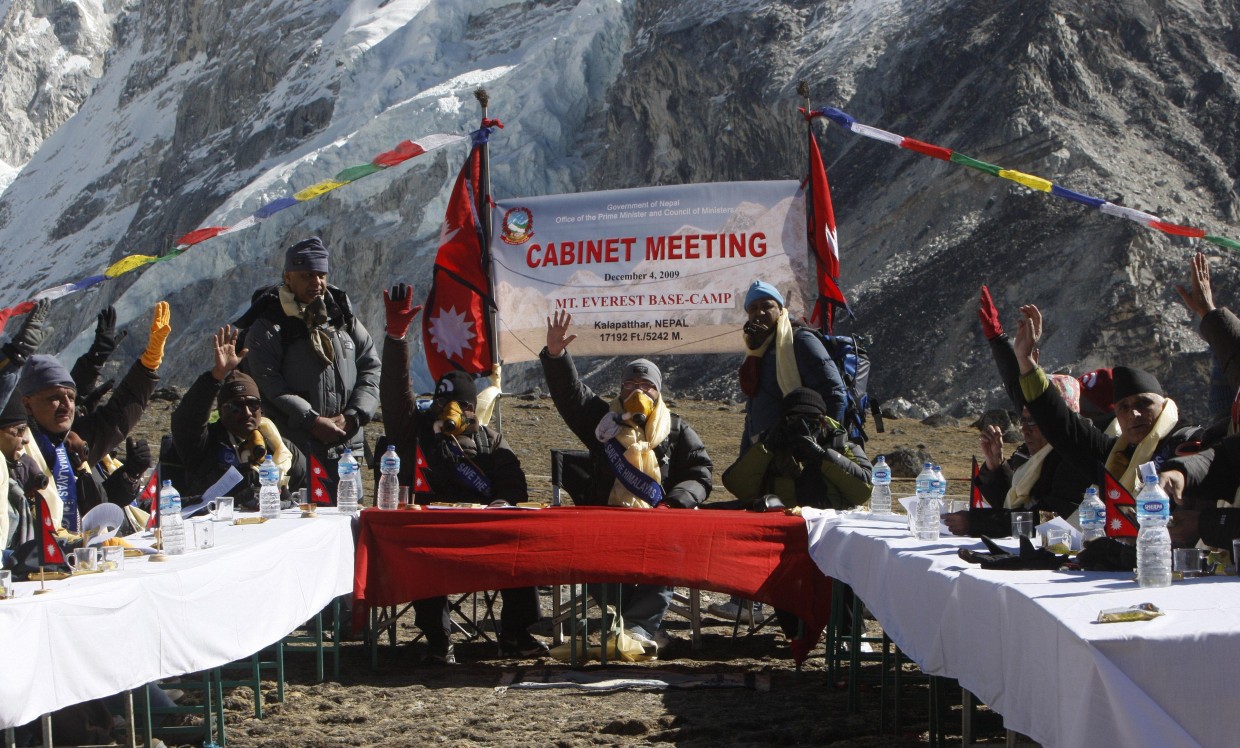
“Climate change and extreme disasters threaten to reverse development gains and put more than 18 million people into poverty by 2030.” -UNICEF
This essay looks at the complex issue of climate change, starting with what climate change is and its main features. It explains the main causes, especially human activities that increase greenhouse gases, and looks at the wide-ranging effects on the environment. The essay highlights the global impacts of climate change, focusing on how changing weather patterns and extreme events disrupt ecosystems, farming, and communities. It pays special attention to the impact of climate change in Nepal, a country particularly vulnerable because of its location and economic situation. It also discusses Nepal's role in international climate policy and action. Additionally, the essay outlines Nepal's National Adaptation Plan, which details strategies for dealing with and adapting to climate change. Finally, it covers mitigation efforts, stressing the importance of reducing greenhouse gas emissions and adopting sustainable practices to fight climate change worldwide.
Introduction
Nepal, a small, landlocked nation situated between the towering Himalayas and the vast Indian subcontinent. It has long demonstrated a harmonious relationship with nature and the resilience of its inhabitants. Recently, however, the country is confronting an unprecedented challenge: the looming threat of climate change, a global issue that could undermine the core of Nepali society. Climate change has significantly impacted Nepal, altering weather patterns and causing more frequent and severe natural disasters such as floods, landslides, and droughts. These events have severely affected agriculture, water resources, and infrastructure, jeopardizing food security and the livelihoods of its people.
"Global warming means that our mountains receive more rain and less snow..."
-Tshering Tobgay, Prime Minister of Bhutan
What is Climate Change?
The Climate change is the recurring change in the Earth’s climate caused by changes in the atmosphere and the interaction of the atmosphere with various other geological, chemical, biological, and geographic factors in the Earth system. It is basically the Interaction between Sun energy, Earth surface and greenhouse gases. Climate change includes both global warming caused by anthropogenic emissions of greenhouse gases and the accompanying large-scale changes in weather patterns
As marked by United Nations, Climate change refers to long-term shifts in temperatures and weather patterns. Such shifts can be natural, due to changes in the sun’s activity or large volcanic eruptions. But since the 1800s, human activities have been the main driver of climate change, primarily due to the burning of fossil fuels like coal, oil and gas.
What are the causes and effects of climate change?
The picture below provides the in-depth information on the causes and effects of the climate change.
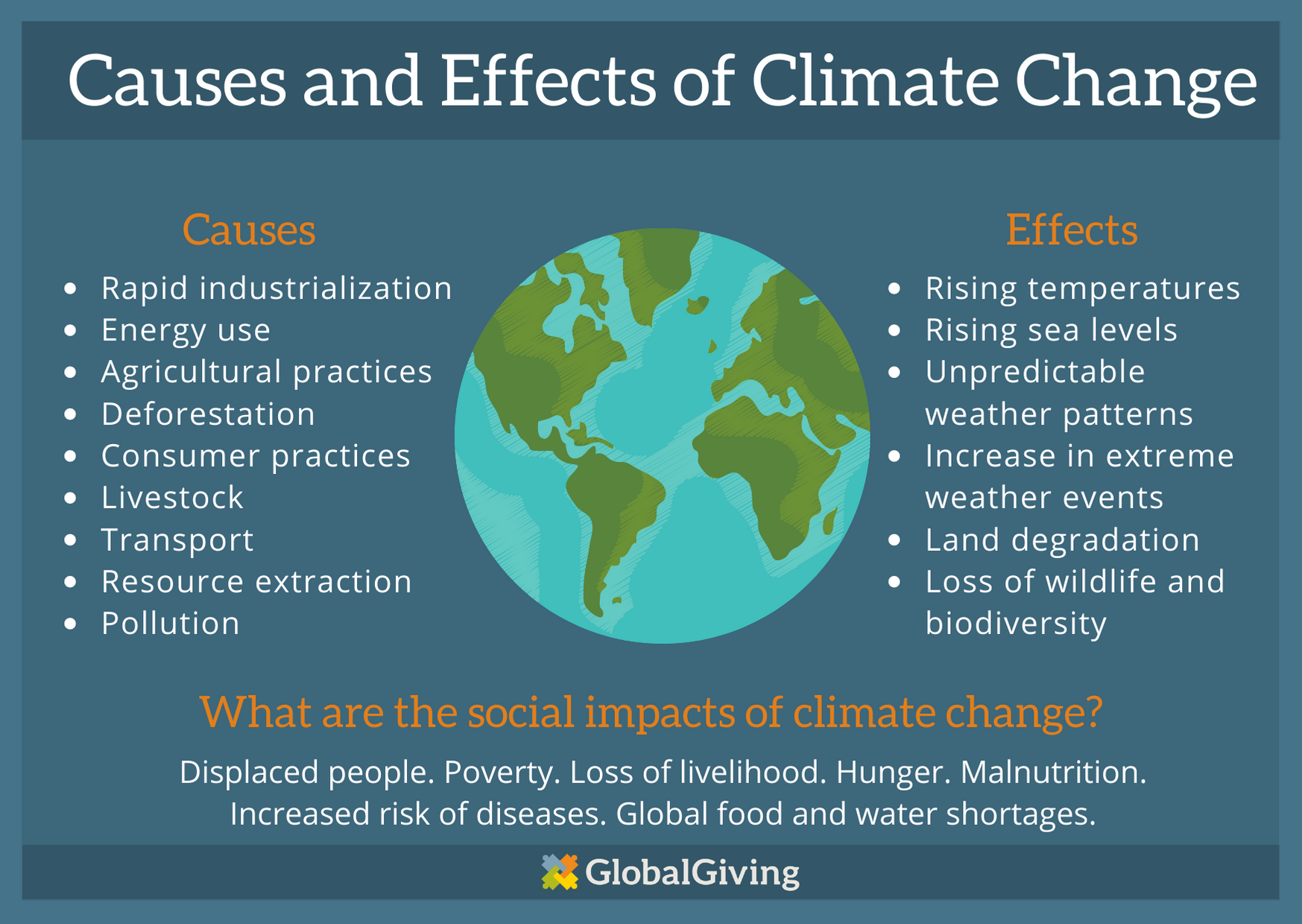
Impact of the climate change
The effects of climate change are wide-ranging and significant. One major effect is the rising sea levels, which occur because of melting ice caps and glaciers and the expansion of seawater as it warms. This rise threatens coastal communities, leading to increased flooding and erosion. Additionally, climate change leads to more frequent and severe weather events such as hurricanes, droughts, and heavy rainfall. These extreme events can cause devastating damage to infrastructure, homes, and crops, making it harder for communities to recover.
Another critical impact of climate change is the loss of biodiversity. As temperatures rise and weather patterns shift, many species of plants and animals struggle to survive in their changing habitats. This can lead to the extinction of species and the disruption of ecosystems, which in turn affects food chains and the overall health of the environment.
Furthermore, climate change increases the risk of diseases. Warmer temperatures can expand the range of disease-carrying insects like mosquitoes, leading to the spread of illnesses such as malaria and dengue fever to new areas. Changes in weather patterns can also affect the availability of clean water and food, leading to health issues related to malnutrition and contaminated resources.
Overall, climate change impacts every form of life on Earth. Humans face increased risks to their health, livelihoods, and safety. Plants and animals must adapt quickly to survive, and many will not be able to do so, leading to significant changes in the natural world. These interconnected effects highlight the urgent need for action to mitigate and adapt to climate change
Climate change impact in Nepal
Nepal is ranked as the fourth most vulnerable country to climate change. This high level of vulnerability is due to its unique geography, with the towering Himalayas and numerous rivers that make it particularly susceptible to climate-related hazards. The country's diverse climate zones, from subtropical plains to alpine regions, exacerbate its sensitivity to the changing climate, making the impacts of global warming particularly severe and widespread.
Floods frequently occur across the foothills of the Himalayas, often leading to devastating landslides. These natural disasters not only cause significant damage to infrastructure but also pose serious risks to human life. The steep terrain and unstable geological conditions of the Himalayan region make landslides a common and deadly occurrence, especially during the monsoon season when heavy rainfall triggers these destructive events.
According to the 2020 edition of Germanwatch's Climate Risk Index, Nepal was the ninth hardest-hit nation by climate calamities between 1999 and 2018. This period saw numerous extreme weather events, including severe floods, droughts, and storms, which have taken a substantial toll on the country's economy and development. The frequency and intensity of these events underscore the urgent need for effective climate adaptation and disaster risk reduction strategies in Nepal.
Data shows that the average annual maximum temperature in Nepal has been increasing by 0.056 °C per year. This steady rise in temperature contributes to the melting of glaciers and snowpacks, altering water availability and increasing the risk of glacial lake outburst floods (GLOFs). These temperature changes also affect agricultural productivity and biodiversity, further stressing the nation's natural resources and food security.
Over 80 percent of property loss in Nepal from disasters is due to climate hazards, especially water-related events like floods, landslides, and glacial lake outburst floods (GLOFs). These disasters not only damage homes, schools, and infrastructure but also displace communities and disrupt livelihoods. The financial and social impacts of these events emphasize the urgent need for comprehensive climate resilience and adaptation strategies to protect vulnerable populations and mitigate the long-term effects of climate change in Nepal.
In 2018, a devastating flood wreaked havoc on the foothills of the Himalayas, triggering extensive landslides and causing significant destruction. Southern border areas were particularly hard hit by flash floods and landslides, leaving behind widespread devastation. The estimated cost of the disaster reached a staggering US$600 million, highlighting the profound impact it had on the affected regions.
Following the catastrophe, inhabitants faced numerous challenges in its aftermath. Once fertile and productive lands lay barren, unsuitable for grazing and depriving livestock of essential sustenance. Moreover, the stagnant waters left by the floods became breeding grounds for disease-carrying mosquitoes, resulting in a sharp rise in malaria and dengue fever cases. Even in elevated areas previously considered safe from such diseases, the presence of mosquitoes became a concerning issue, further worsening the health risks for the population.
Impacts on Natural Environment of Nepal
Climate change has initiated a cascade of environmental repercussions, among which forced habitat shifts stand out prominently. As temperatures rise and ecosystems undergo alterations, many species are compelled to migrate in search of suitable habitats. This forced displacement disrupts entire ecosystems, leading to imbalances in predator-prey relationships, competition for resources, and potential conflicts between species. Such shifts not only challenge the survival of vulnerable species but also pose significant challenges for human communities reliant on these ecosystems for sustenance and livelihoods.
The specter of extinction looms ominously over numerous species as climate change continues unabated. Rapid changes in temperature, precipitation patterns, and habitat availability push many species to the brink of extinction. The loss of habitats, coupled with the inability of species to adapt quickly enough to changing conditions, accelerates the rate of species decline. This loss of biodiversity not only diminishes the ecological resilience of ecosystems but also erases invaluable genetic resources essential for future adaptation and innovation.
Biodiversity, the cornerstone of healthy ecosystems, faces unprecedented threats due to climate change. As habitats become inhospitable or disappear entirely, the intricate web of life supported by diverse species unravels. The loss of key species disrupts ecosystem functions such as pollination, nutrient cycling, and pest control, triggering ripple effects that reverberate throughout entire ecosystems. The dwindling biodiversity not only diminishes the resilience of ecosystems to withstand environmental shocks but also undermines the services they provide, jeopardizing human well-being and livelihoods.
Climate change-induced alterations in temperature, precipitation, and atmospheric composition have profound implications for vegetation dynamics worldwide. Shifts in climatic conditions trigger changes in plant distribution patterns, phenology, and productivity, reshaping landscapes on a global scale. Species composition within ecosystems undergoes transformations as some plants thrive in the new conditions while others falter. This upheaval in vegetation not only alters the visual landscape but also disrupts ecosystem processes, affecting water cycling, carbon sequestration, and habitat provision. Adapting to these changes requires concerted efforts to conserve and restore diverse ecosystems while implementing sustainable land management practices to mitigate further degradation.
Nepal in International Platform
During the Conference of the Parties (COP) 2017 held in Sharm el-Sheikh, Egypt from 6th to 18th November 2022, Nepal emerged as a vocal advocate for vulnerable countries grappling with the brunt of climate disasters. The conference concluded with a landmark decision on "loss and damage" funding, a critical lifeline for nations disproportionately affected by climate-related catastrophes. Nepal, recognizing the urgent need to address the impact of climate change on its mountainous regions, prioritized this issue on the international platform.
Studies presented at COP27 underscored Nepal's vulnerability to climate change, particularly in its highland areas. Alarmingly, research revealed that Nepal's highlands experienced a temperature increase of 1.8 degrees Celsius, surpassing the global average of 1 degree Celsius warming attributed to the greenhouse gas effect. These findings highlighted the pressing need for concerted global action to mitigate the adverse effects of climate change on vulnerable communities and ecosystems.
Key decisions made during COP27 resonated strongly with Nepal's interests. The agreement to establish a loss and damage fund was particularly significant, offering much-needed support to developing nations like Nepal, which bear the disproportionate burden of climate-related impacts. Additionally, the reaffirmation and strengthening of commitments under the Paris Agreement provided a glimmer of hope, with the ambitious goal of limiting global warming to 1.5 degrees Celsius still within reach.
Nepal's active engagement at COP27 was further highlighted by its participation in various events and initiatives. Collaborating with partners such as the International Centre for Integrated Mountain Development (ICIMOD), Nepal showcased its commitment to climate action at the Cryosphere Pavilion and the NDC Partnership Pavilion. The Cryosphere Pavilion served as a platform to emphasize the urgent need for investments in climate resilience within the Hindu Kush Himalayan (HKH) region, where Nepal stands particularly vulnerable.
Nepal's efforts did not go unnoticed, as it was honored alongside four other countries with the Local Adaptation Champions Awards at the COP27 climate summit in Egypt. This recognition underscored Nepal's proactive stance in implementing innovative strategies to adapt to climate change and build resilience within its communities. As Nepal continues to navigate the challenges posed by climate change, its active participation on the international stage reaffirms its commitment to safeguarding its people and environment for future generations
Nepal's National Adaptation Plan process
In 2010, the Government of Nepal approved the National Adaptation Programme of Action (NAPA), marking a significant step in the country's efforts to address the impacts of climate change. NAPA was structured around three key components: the preparation and dissemination of NAPA documents, the development and maintenance of the Nepal Climate Change Knowledge Management Centre (NCCKMC), and the establishment of the Multi-Stakeholder Climate Change Initiative Coordination Committee (MCCICC). These components were designed to ensure comprehensive planning, knowledge sharing, and coordinated action on climate adaptation.
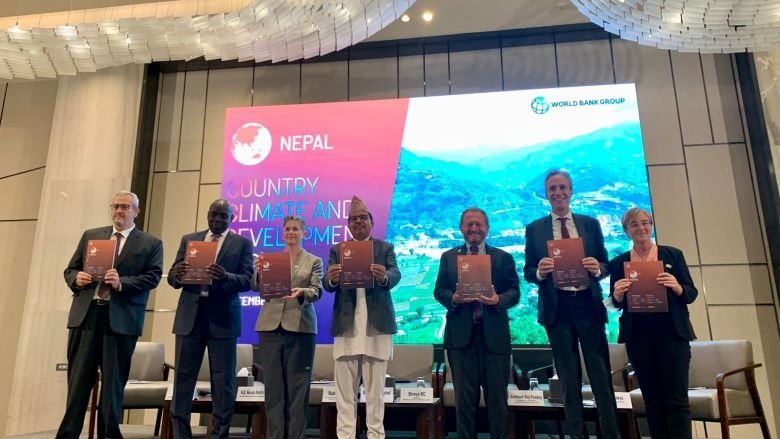
NAPA identified nine integrated projects as the urgent and immediate national adaptation priorities. These projects are focused on promoting community-based adaptation through the integrated management of agriculture, water, forests, and biodiversity sectors. Building and enhancing the adaptive capacity of vulnerable communities by improving systems and access to services related to agricultural development is another critical priority. Additionally, NAPA emphasizes community-based disaster management to facilitate climate adaptation.
The programme also includes projects aimed at monitoring glacial lake outburst floods (GLOF) and reducing associated disaster risks, as well as forest and ecosystem management to support climate-led adaptation innovations. Other priorities involve adapting to climate challenges in public health and managing ecosystems for climate adaptation. Empowering vulnerable communities through sustainable water resource management and clean energy support is also crucial, alongside promoting climate-smart urban settlements. Through these integrated projects, NAPA aims to enhance resilience and adaptive capacity across various sectors and communities in Nepal
Mitigation
According to the report published by UNDP on Feb 29, 2024, below are the best possible mitigation strategies:
• Shifting away from fossil fuels- Solar, Wind, and geothermal power
• Improving energy efficiency: Using less energy overall – in buildings, industries, public and private spaces
• Changing agricultural practices – including enhancing soil health, reducing livestock-related emissions, etc.
• The sustainable management and conservation of forests
• Restoring and conserving critical ecosystems-In addition to forests, ecosystems such as wetlands, peatlands, and grasslands.
Conclusion
In conclusion, the multifaceted impacts of climate change present a critical challenge globally and are particularly acute in vulnerable regions like Nepal. The recurring changes in the Earth’s climate, driven largely by human activities such as the burning of fossil fuels, are causing significant alterations in weather patterns and temperatures. The resultant effects include rising sea levels, more frequent and severe weather events, loss of biodiversity, and increased health risks due to the spread of diseases.
For Nepal, the consequences are especially severe due to its unique geography and climate diversity. Frequent natural disasters like floods and landslides pose significant threats to infrastructure, human life, and economic stability. The country’s high susceptibility to climate change has been highlighted through various studies and international platforms, emphasizing the urgent need for effective adaptation and mitigation strategies.
The National Adaptation Programme of Action (NAPA), initiated by the Government of Nepal in 2010, represents a proactive approach to addressing these challenges. By focusing on community-based adaptation, enhancing the adaptive capacity of vulnerable communities, and promoting integrated management of natural resources, NAPA aims to build resilience across various sectors. Moreover, Nepal's active participation in international climate conferences underscores its commitment to addressing climate change at both national and global levels.
Mitigation strategies such as transitioning to renewable energy sources, improving energy efficiency, and adopting sustainable agricultural practices are crucial. The conservation and restoration of critical ecosystems also play a vital role in mitigating climate change impacts. As Nepal continues to navigate the complexities of climate adaptation and mitigation, it stands as a testament to the importance of coordinated action and international cooperation in safeguarding our planet for future generations.
Bibliography
geeksforgeeks. (2022, Sept 27). Climate Change and Its Impact. Retrieved from Climate Change and Its Impact: https://www.geeksforgeeks.org/climate-change-and-its-impact
Adler, S. (2024, Jan 01). How Much Would It Cost To End Climate Change? Retrieved from How Much Would It Cost To End Climate Change?: https://www.globalgiving.org/learn/cost-to-end-climate-change/
UNDP. (2022). COP 27. Retrieved from COP 27: https://www.undp.org/nepal/cop27-and-nepal
Ministry of Forests and Environment. (2021). NEPAL'S NATIONAL ADAPTATION PLAN (NAP) PROCESS: REFLECTING ON LESSONS LEARNED AND THE WAY FORWARD. Kathmandu: Ministry of Forests and Environment.
Comments
Post a Comment